Featured in:






When Tanya came to see me she had localised low back pain and radiating pain in the front of her thigh. She had been told by a spine surgeon that if she wanted to get rid of her pain she would need a lumbar fusion.
There are two ways that surgeons carry out this intervention. Both involve being put under general anaesthetic and are considered major operations that carry moderate risk.
The first is via an incision in the back which, in addition to the inherent risks of fusing the vertebrae together, often damages the back extensor muscles, making rehab more challenging afterwards.
The second is an ALIF (Anterior Lumbar Interbody Fusion) via an incision in the front of the abdomen which gives the surgeon more space to work in but carries the risk of damaging major blood vessels.
At 65 years old Tanya was understandably fearful about the risks of either operation and decided to try conservative rehab first. That's when she contacted me.
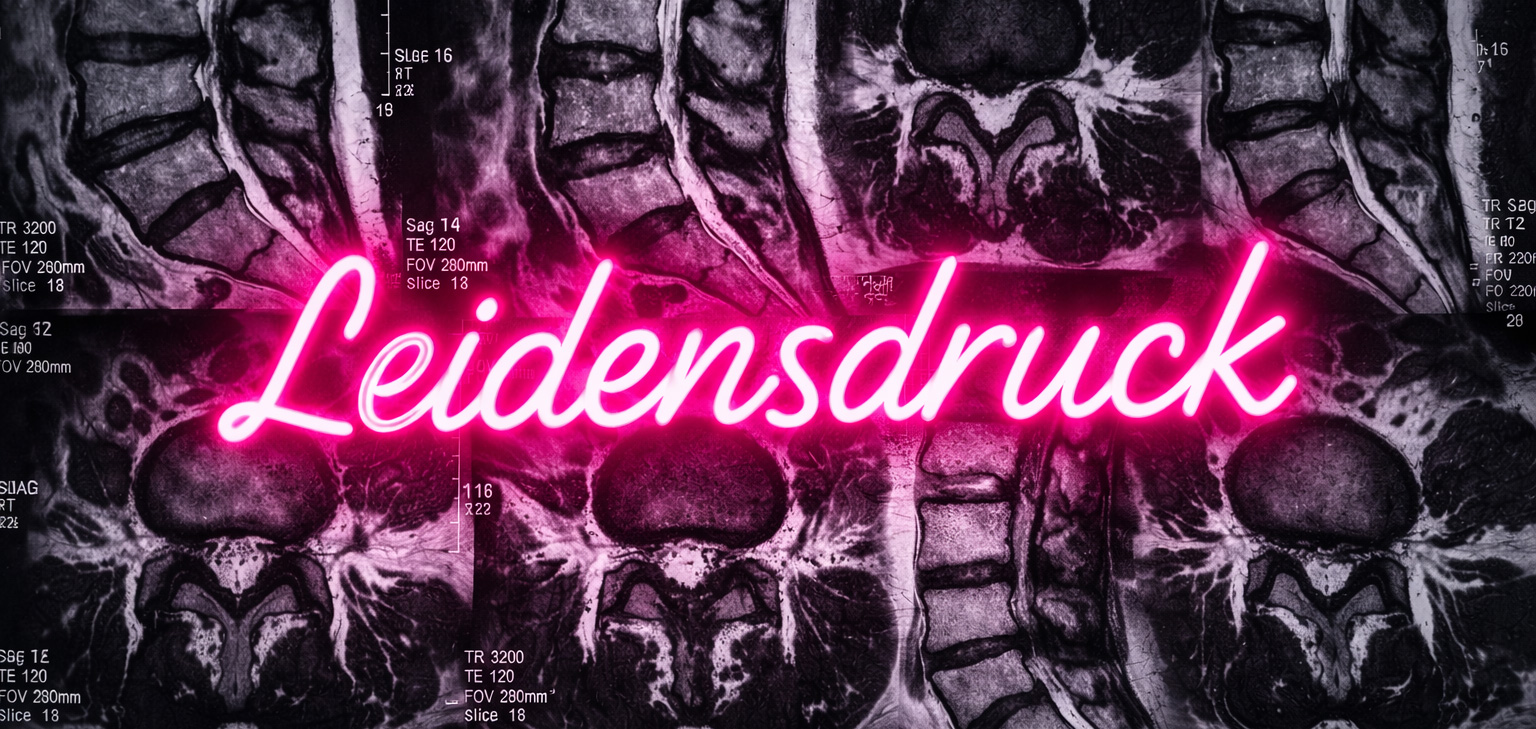
The first question I asked Tanya was how the surgeon decided that she needed surgery. She explained that he looked at her MRI (Magnetic Resonance Imaging) and told her that this was the only option for her. I asked if he had performed a physical exam or a biomechanical assessment. The answer was 'no' to both questions.
He had made the decision to slice her open without seeing how different postures and movements affected her symptoms, and without even physically touching her spine. In his view, all he needed to make his decision was the static black and white MRI on his computer.
Yet, it's well reported that there's a lack of correlation between someone's pain and the degenerative findings on their MRI.
Jensen et al (1994) found that 52% of random people WITHOUT low back pain had at least one disc bulge, 27% had a disc protrusion, and 1% had a disc extrusion.
After assessing Tanya, it was clear that her symptoms did correlate with one of the disc bulges and nerve compression identified on her MRI. But, they didn't correlate with a second disc bulge which looked 'worse' on her imaging but didn't provoke any pain during her assessment.
More importantly, we discovered that when she added muscular stiffness to stabilise her spine before moving, she was able to reduce her symptoms significantly.
I taught her spine hygiene principles that would help her reduce the stress on her spine, coached her through exercises that would improve the endurance of her spine-stabilising muscles and gave her a program to do. When she came back to see me two weeks later, her symptoms had improved considerably.
I progressed her program and told her to continue with it for another two weeks. This time when she came back she had zero low back pain. All that remained was very occasional and mild tingling in her leg which only occurred when, by her own admission, she had been less disciplined practising spine hygiene.
Tanya was on the right track to avoid surgery.
MRIs can spot red flags but they don't tell the whole story. While they're a great tool for identifying abnormalities such as a tumour, or, in this case, nerve compression, they can't effectively tell “wound" from "scar” and confirm what the source of your current pain is.
Also, critically, as demonstrated in this case, imaging doesn't give you any information about how your spine behaves when you move.
While surgery is necessary for some people, it shouldn't be decided upon solely on what is visible on an MRI. Imaging may be a useful piece in the puzzle, but a thorough biomechanical assessment is still necessary to determine the specific motions, positions or loads that provoke your pain.
Once you've identified these, you can decide on appropriate movement strategies that can help you avoid provoking your pain, and ultimately allow your spine to begin healing itself.
This is for educational purposes only. Always consult a medical doctor. And consult a second medical doctor if you don't believe you've been properly assessed.