Low back pain resources. Updated weekly.
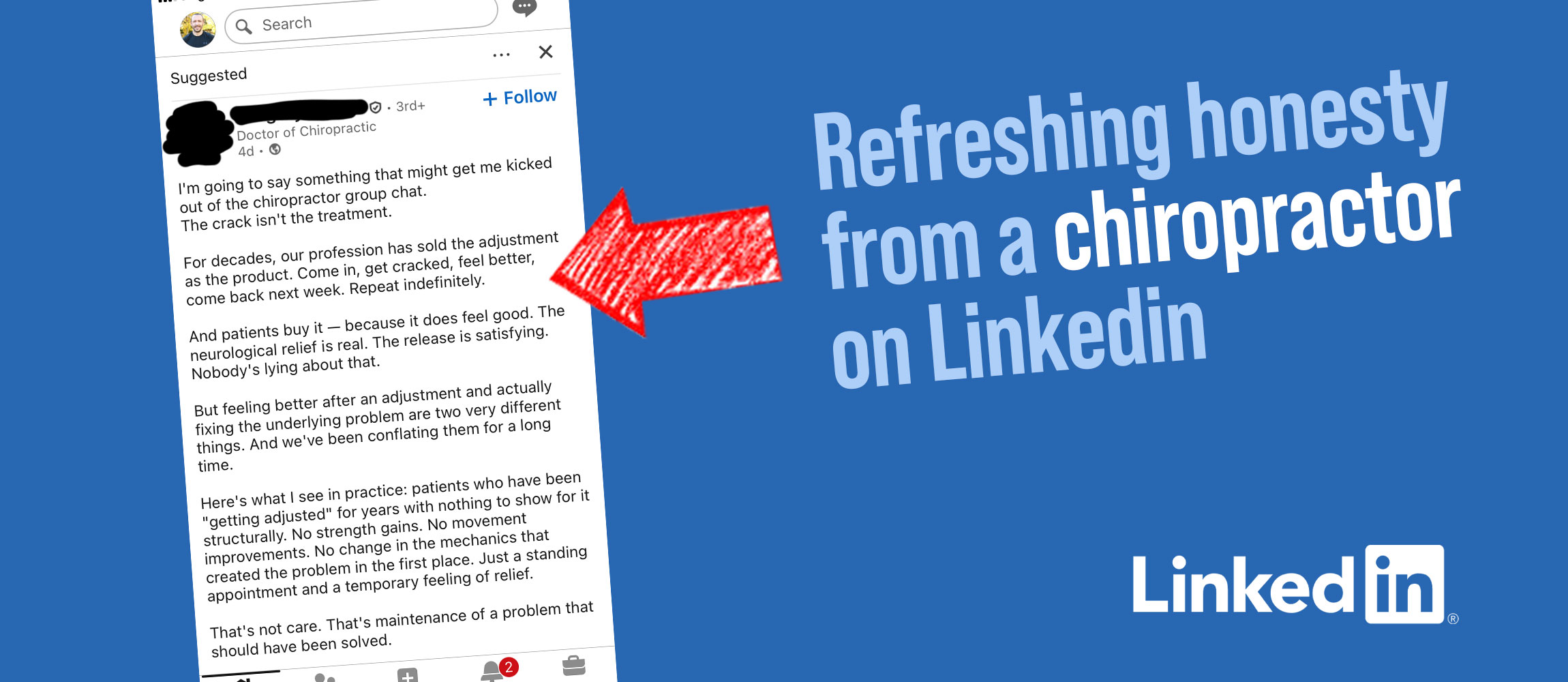
Are chiropractors the ultimate low back pain experts or just quacks?
Featured in The Telegraph article on effective low back pain treatments. And why a study claiming 90% don't work was predictable and flawed.
When years of chronic low back pain are finally resolved by personalised online coaching.
Waiting for the tipping point to start taking proper care of your spine is usually unwise and can have lasting consequences.
Sometimes doing the wrong rehab program can send you further down the degenerative cascade
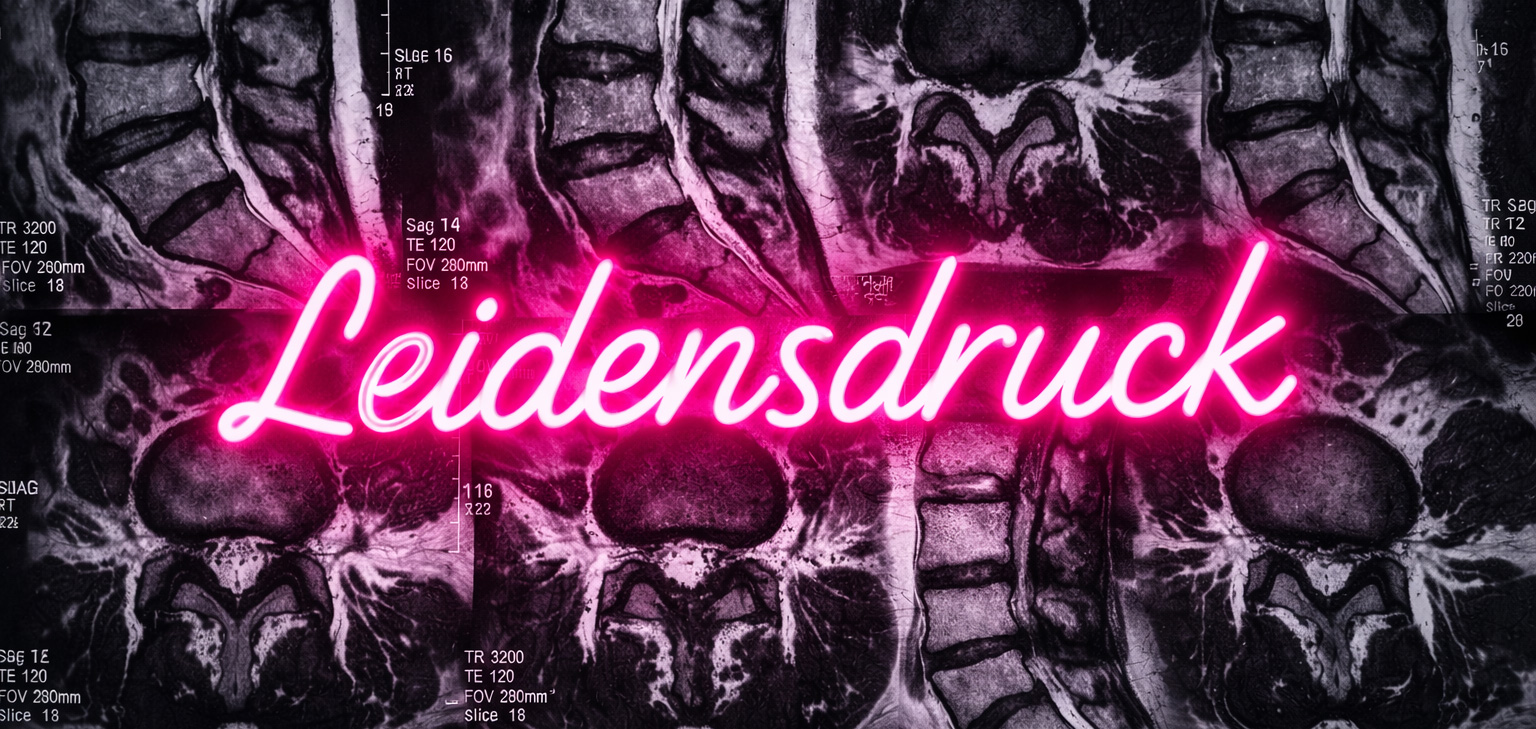
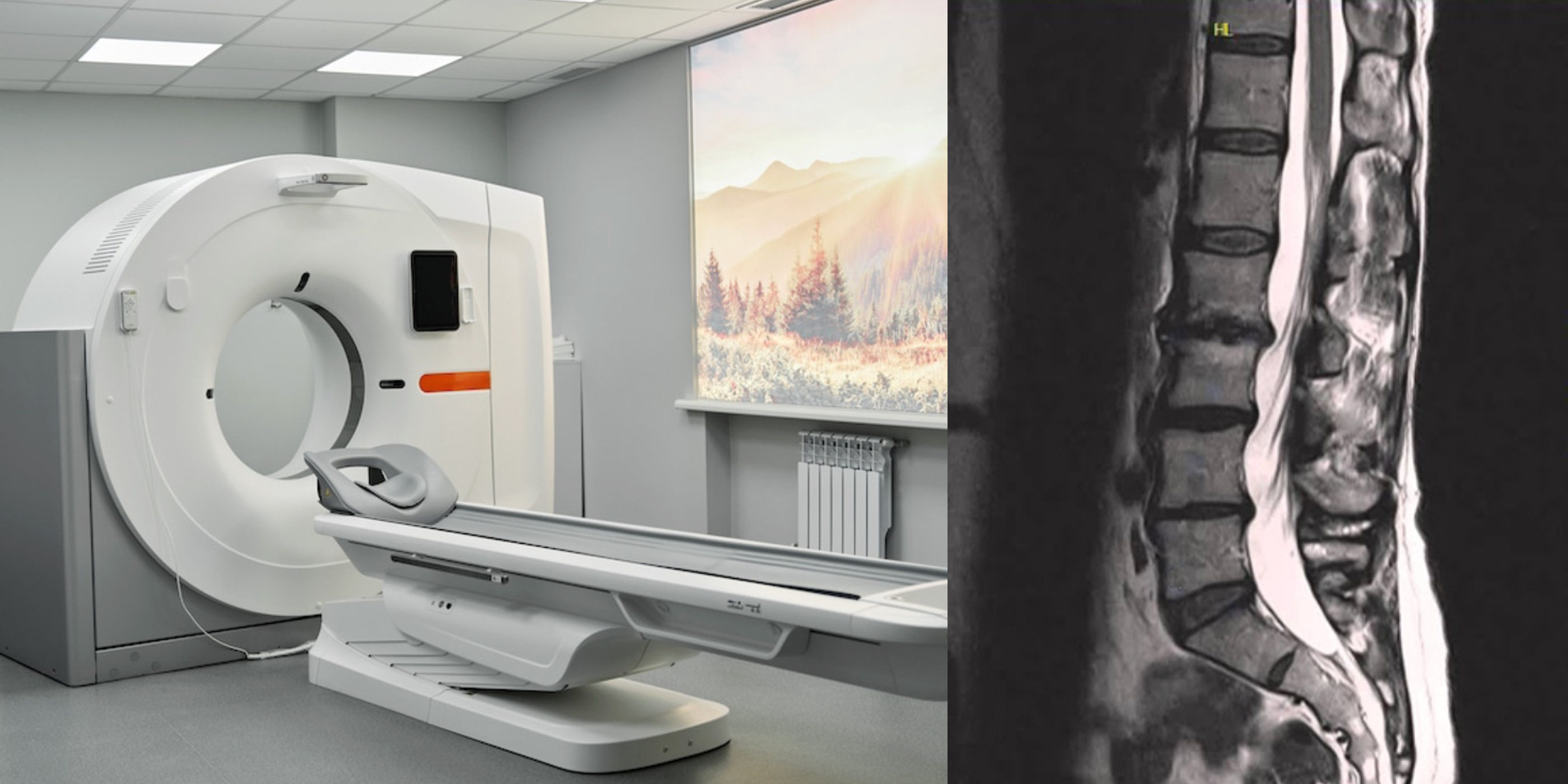
MRIs are a great tool for identifying abnormalities such as a tumour or nerve compression but they don't always tell the full story.
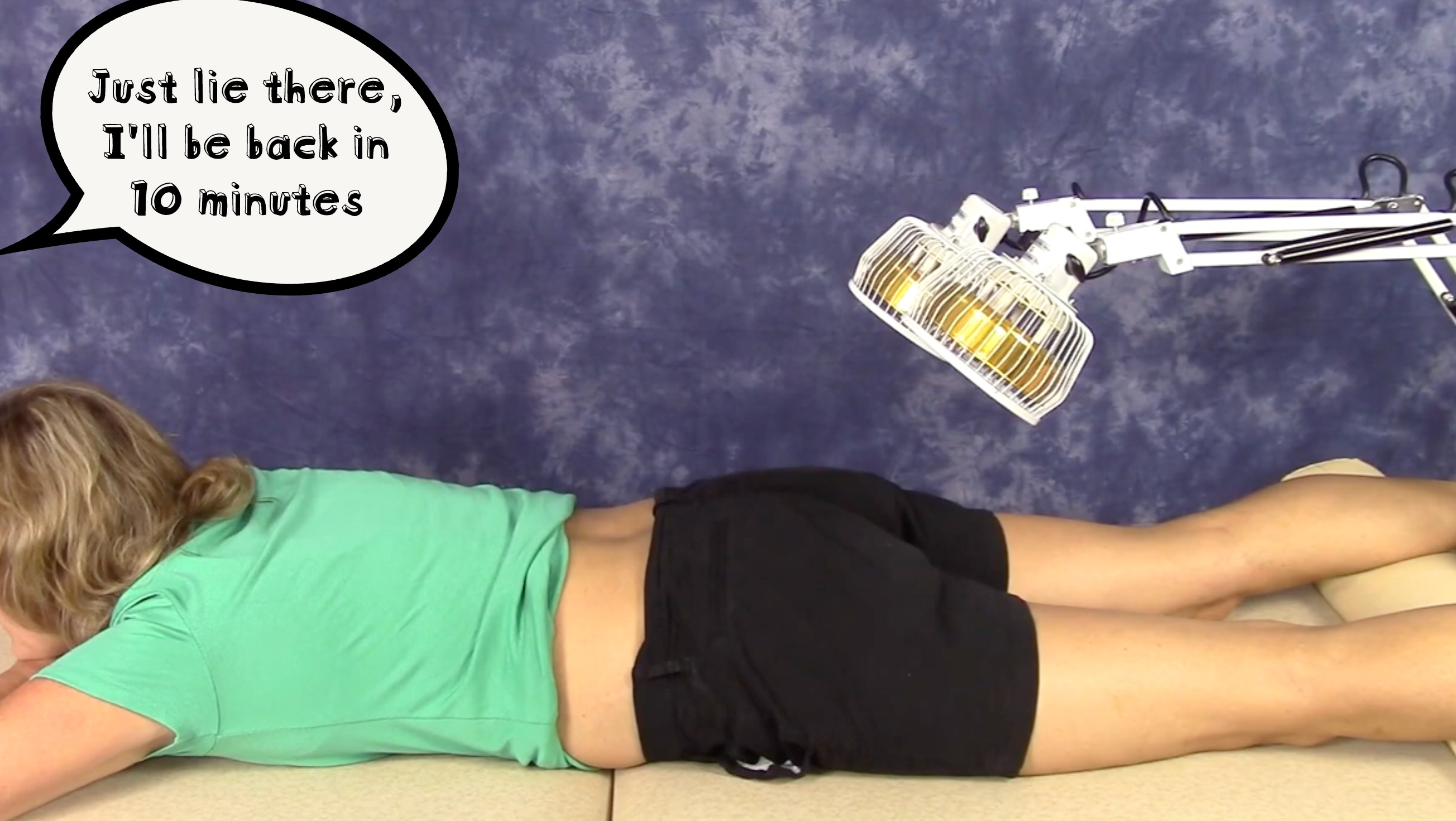
How confusing evidence, the economic incentives of the healthcare system and our fallible human nature all contribute to the plethora of ineffective low back pain treatments.
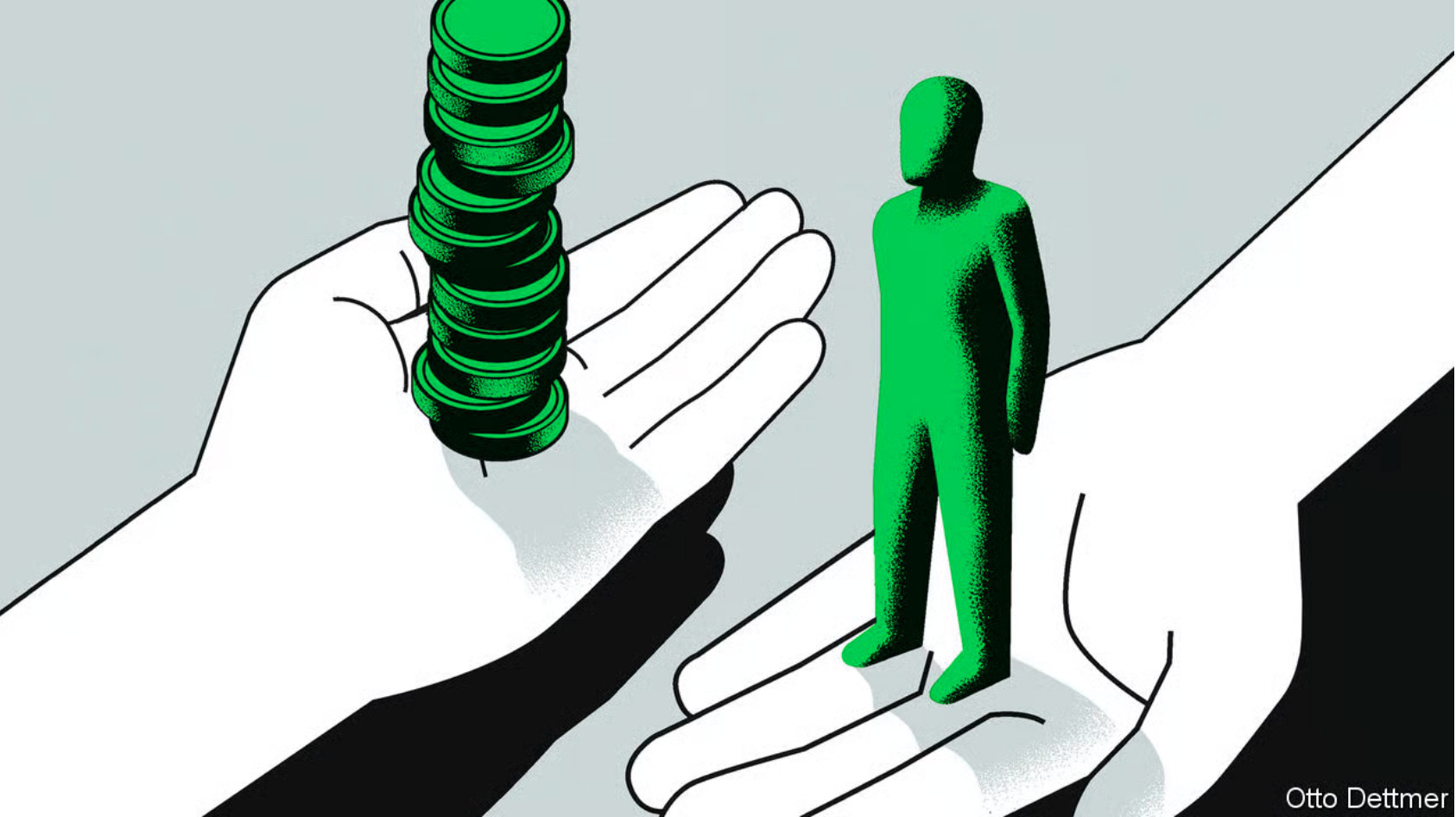
The real cost of NOT getting a thorough low back pain assessment and personalised rehab program is often more than it seems.
Despite helping most of my clients make significant improvements with their low back pain, there are cases where I haven't been able to get people the results that they wanted.
How weight lifting with good technique, appropriate loads and appropriate rest in between sessions is good for your spine.
It's easy to underestimate the cumulative effects that your daily habits can have on your low back pain. Sometimes a small change can make a big difference.
Pilates, stretching and 'core' exercises such as crunches are often prescribed to help low back pain, but sometimes they can do more harm than good.
The McGill Method low back pain assessment is a thorough assessment that aims to identify your precise pain triggers and give you a personalised plan of action to help you overcome your low back pain.
It's clear that certain genetic attributes provide advantages in certain sports. But, can your genes also determine your susceptibility to low back pain?
Two issues that often accompany a low back injury are tight hip flexors and weak glutes. Both need to be addressed, but not in the order that they often are...
The average human loses 40% of their muscle mass between the ages of 20 and 70. However, what we believe is ageing isn't just ageing. It's ageing + disuse.
Stuart McGill showed that subjecting pig spines to flexion under load is an effective way to injure them. Humans who don't like back pain should pay attention.